
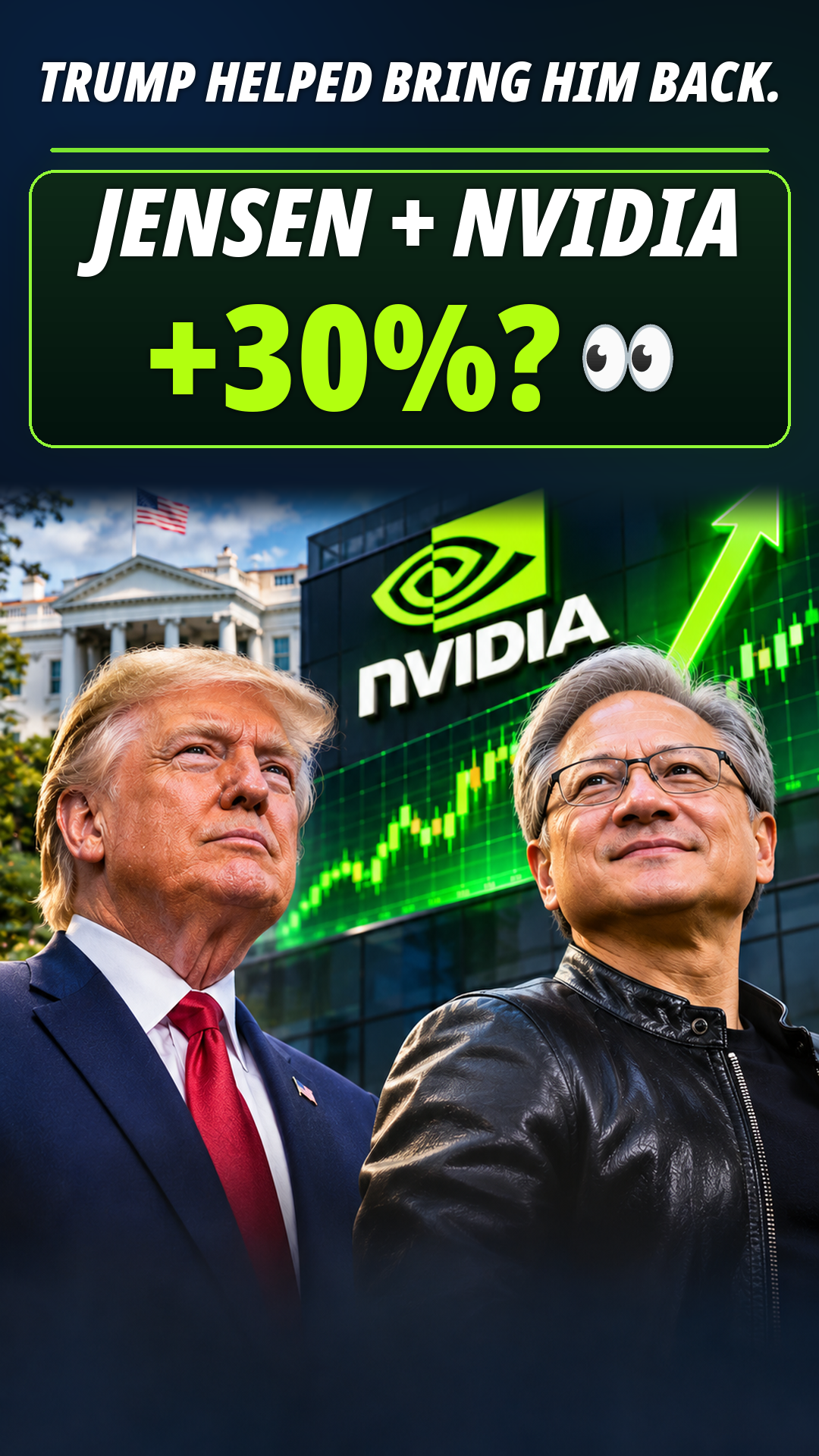
Trump said he persuaded NVIDIA’s board to reinstate Jensen Huang. ABC News reported that Trump held at least US$12 million in NVIDIA shares at the end of 2025. The White House says independent institutions manage his portfolio without family input.
These facts raise a question about conflict of interest: how should public power be exercised when a decision could also benefit the decision-maker financially?
Economic strength and national security
NVIDIA’s importance to AI gives the debate a strategic dimension. A strong technology industry can support innovation, economic resilience and national capabilities. Supporters of intervention may therefore argue that protecting leadership and stability serves a wider public interest.
However, economic importance does not settle every security question. NVIDIA’s 23 November announcement said the board considered Huang’s return to pose no national security risk, based on government input. It also said its independent investigation would continue.
Those are different propositions: a decision to reinstate someone is not the same as announcing that every investigation has concluded. Equally, an ongoing investigation does not establish wrongdoing.
What is a potential conflict of interest?
Imagine a public official who can influence a decision affecting a company while personally owning its shares. A decision that helps the company could also benefit that official.
That overlap creates a potential conflict between public duty and private financial interests. It does not, by itself, prove corruption, improper motive or a breach of law. But it gives the public a legitimate reason to ask how the decision was reached.
Independent investment management addresses who controls trading. It does not necessarily remove the underlying financial interest or every concern about perceived independence. The historical disclosure figure also should not be treated as the exact value of the holding today.
How can public trust be protected?
Useful safeguards include clear disclosure, an explanation of the public-interest reasons for a decision, independent scrutiny and documented consideration of risks. Where appropriate and legally required, recusal or other arrangements may help manage conflicts. The relevant rules depend on the office and jurisdiction.
Economic and security interests are not always opposites. The challenge is to assess both carefully rather than assume a rising share price answers the security question.
Public trust depends not only on what was decided, but also on whose interests were considered and how the decision can be examined.
Sources: ABC News, 23 November 2026 · NVIDIA, 23 November 2026