5 October 2026 | By the Supra Vista Team
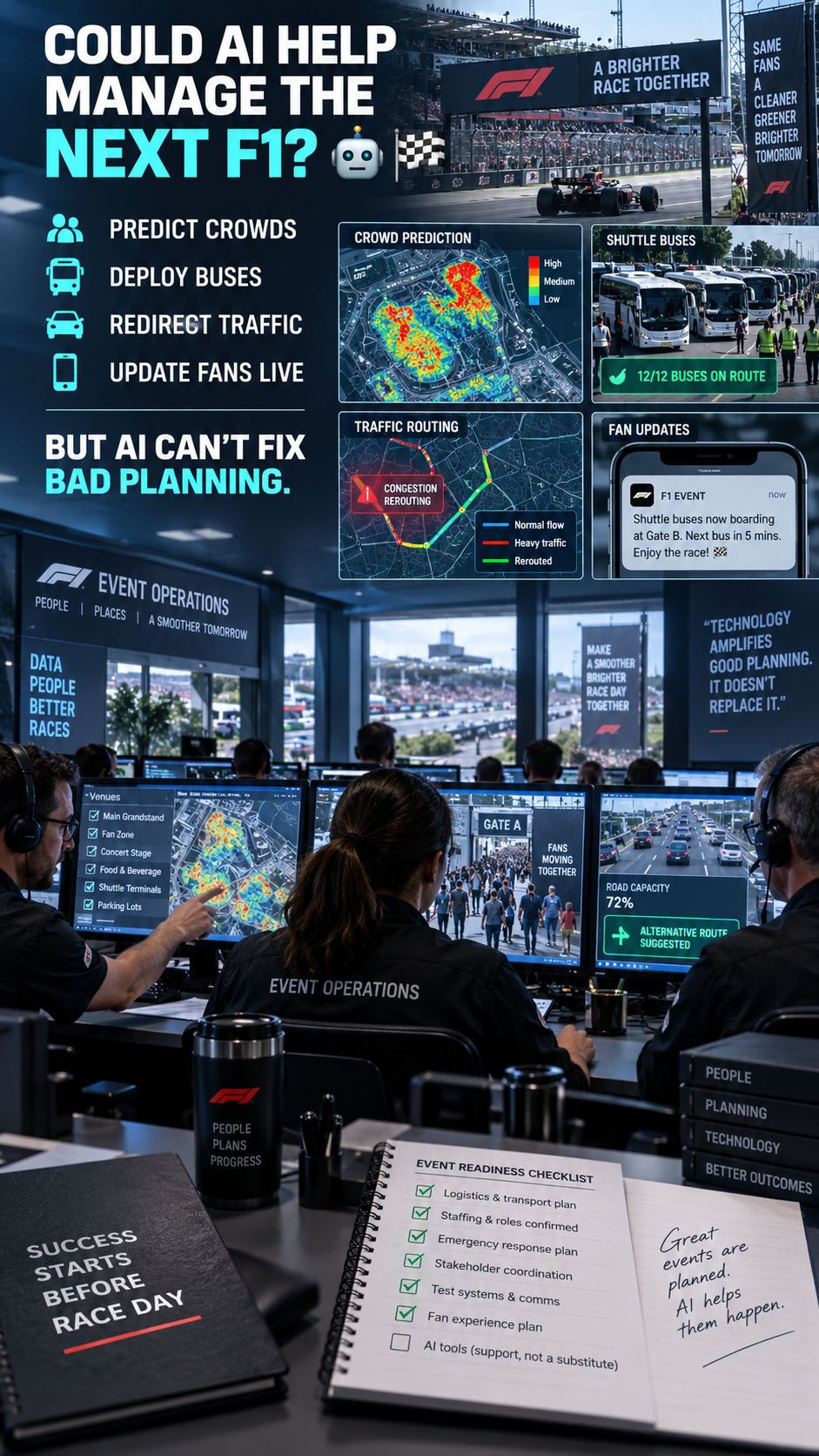 Watch the English reel on FacebookIllustrative artwork, not a photograph of an actual AI control centre.
F1 cars can exceed 300 km/h. But getting fans home can be a much slower story.
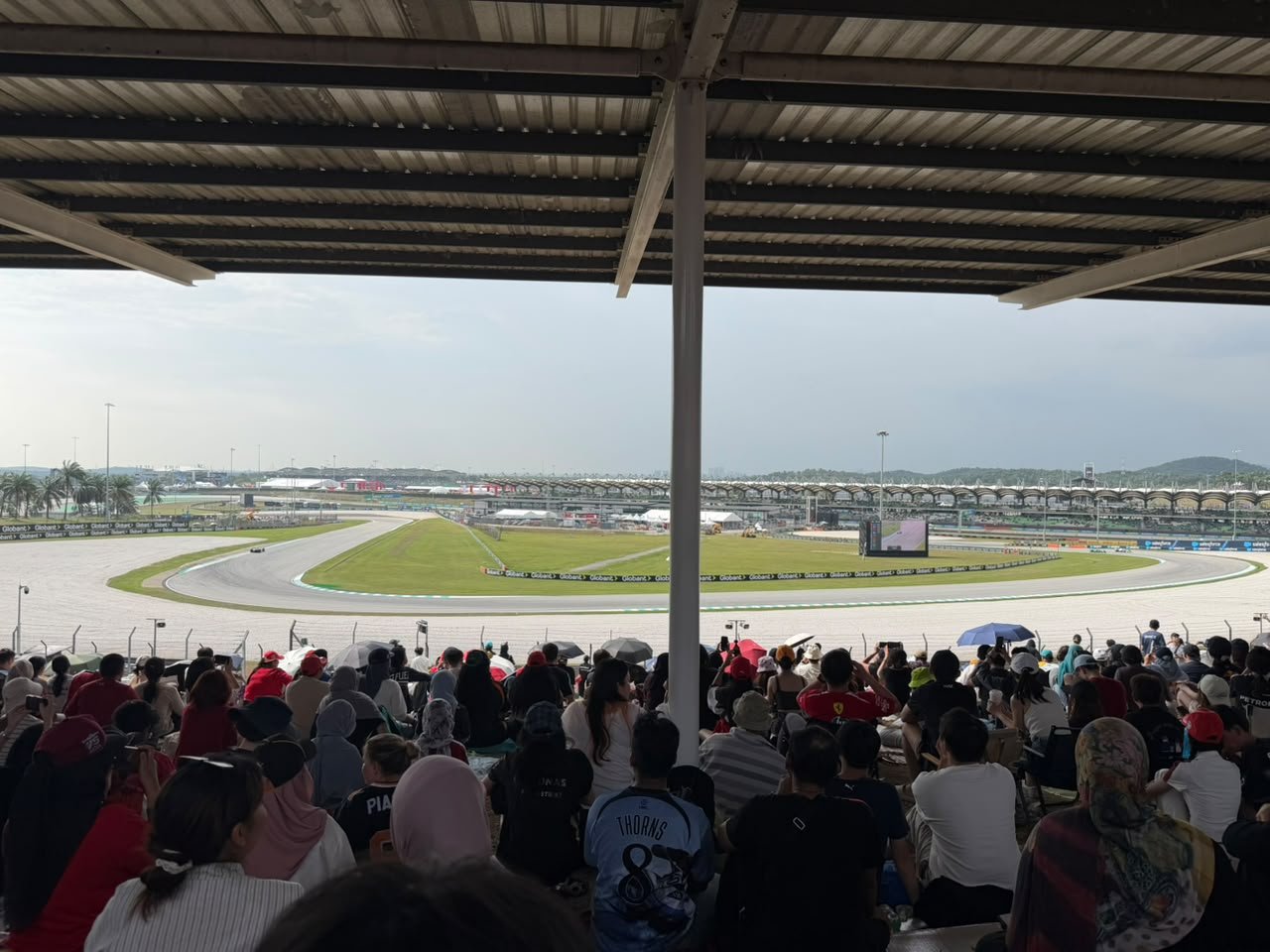
In today’s reel, we share a firsthand experience at Sepang: an exciting race, a crowded departure and a journey that ended at around 1 a.m.
The contrast raises a bigger question: what makes a world-class event work beyond the track?
More than a bus shortage
CNA reported long shuttle queues after Friday’s sessions, with some fans walking kilometres. On Saturday, Rapid KL said it had coordinated improvements to pickup and drop-off arrangements following feedback.
Those reports concern Friday’s difficulties and Saturday’s response, rather than independently verifying the journey described in our reel.
The planning challenge involves more than bus numbers. Roads, queues, signage, walking routes and timely information must work together when thousands leave at once.
Could Malaysia bring F1 back permanently?
Malaysia is discussing a permanent Formula 1 return. That is an ambition, not a confirmed calendar slot.
The scale matters: Malaysia Airports anticipated daily crowds exceeding 100,000 during the race weekend. Hosting the racing is only part of the job. Helping people arrive and leave safely matters too.
Could AI help the next event?
AI could help planners predict crowd build-up, adjust shuttle deployment, identify traffic bottlenecks and send live updates to fans.
These are possible uses, not a claim that AI managed this event. They would still need reliable data, trained staff and coordinated decisions.
An algorithm cannot supply missing buses, widen roads or replace clear responsibilities.
For families, this is a useful AI lesson: first understand the problem, then ask where technology can help.
Technology can make good planning smarter. It cannot make planning unnecessary.